
railway-usa.com
30
'26
Written on Modified on
Rail Freight Digital Infrastructure API Integration
Union Pacific Railroad deploys cloud data sharing and application programming interfaces to resolve shipment visibility and freight planning challenges for industrial shippers.
www.up.com
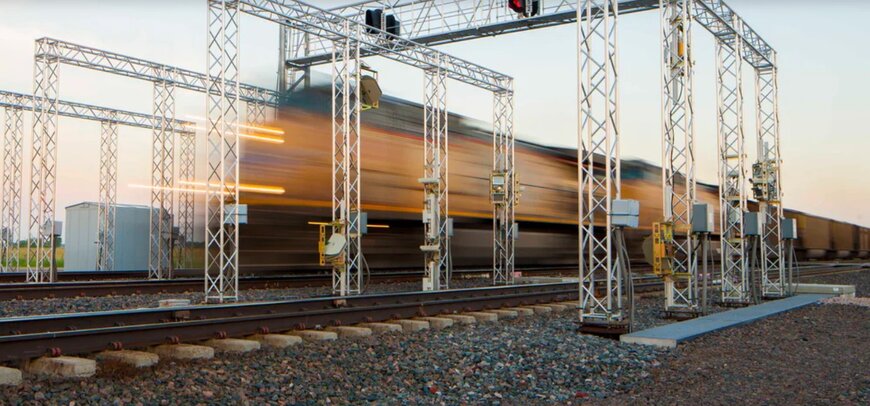
Digital tools deployed by Union Pacific Railroad allow industrial shippers to calculate freight transit times, query lane pricing, and integrate operational telemetry directly into enterprise logistics management systems.
System Integration and Network Operational Interfaces
Industrial freight planning requires accurate cost calculations and transit-time predictability before rail allocation can occur. Union Pacific Railroad addressed this through the redevelopment of its Price My Shipment platform, which automates route-based rate calculations and transit estimations across the carrier network. Shippers input origin, destination, and commodity specifications to receive standardized cost breakdowns and schedule forecasts, removing manual dispatch inquiries.
To establish bidirectional operational synchronization, Union Pacific Railroad implemented application programming interfaces alongside a dedicated cloud data sharing architecture. This deployment enables client enterprise resource planning and transport management systems to ingest live railroad telematics directly. Shippers automate data retrieval for railcar location tracking, waybill processing, and digital invoice verification without interacting with external browser interfaces.
Implementation Architecture and Data Exchange Mechanisms
The digital infrastructure operates on two integration layers. The first layer consists of REST-compatible APIs designed for transactional updates, such as real-time switch status, departure notifications, and car-location messages. These interfaces deliver near-zero-latency status events directly into third-party dispatch software.
The second layer provides a scalable cloud data sharing repository housing longitudinal and real-time operational records. Developed and validated through an initial pilot program with a high-volume industrial client, this system is now deployed across accounts of varying shipment volumes. The architecture supports structured batch queries, historical velocity analytics, and pipeline forecasting models. Industrial logistics teams utilize these bulk feeds to train predictive analytics tools and configure enterprise artificial intelligence models for fleet utilization.
Operational Applications and Supply Chain Impact
The platform serves industrial sectors requiring continuous freight visibility, including bulk chemical processing, agricultural distribution, intermodal freight logistics, and heavy manufacturing.
Direct data pipeline integration eliminates manual data extraction, reducing administrative overhead in supply chain management. Real-time telemetry access allows dispatch teams to calculate variance against dynamic estimated times of arrival, anticipate choke points across the rail corridor, and execute alternative routing strategies when line disruptions arise.
Regarding operational visibility, Beth Bouza, General Director of Marketing and Sales at Union Pacific, noted: "When customers have the information they need, they can make faster decisions, adapt to changing conditions and keep their supply chains running efficiently."
By coupling transactional application programming interfaces with centralized cloud data sharing repositories, the carrier provides the technical foundation necessary for programmatic inventory management across complex rail supply lines.
Edited by Evgeny Churilov, Induportals Media - Adapted by AI.
www.up.com
