
railway-usa.com
09
'26
Written on Modified on
Union Pacific Reports Zero Track-Caused Derailments on ATI Waiver Routes
Union Pacific cites Automated Track Inspection technology as a key driver behind its safest operational year, increasing defect visibility fivefold compared to visual inspections alone.
www.up.com
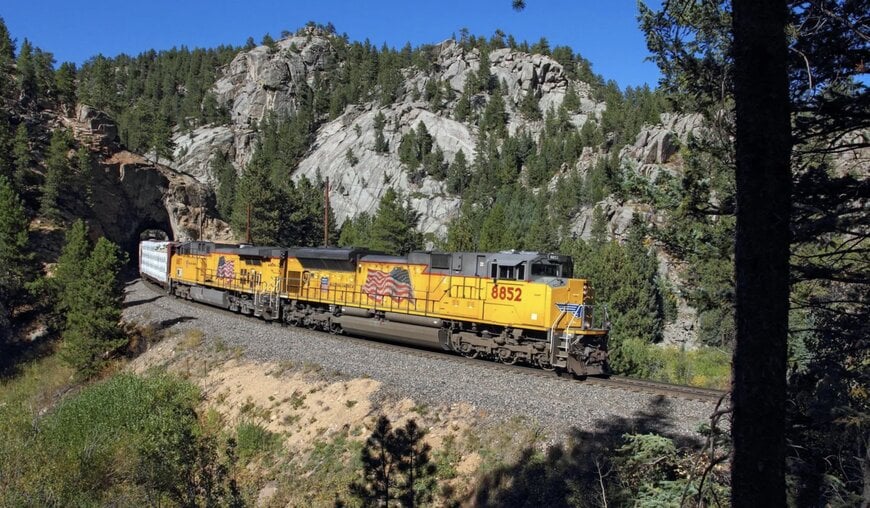
Union Pacific recorded its safest year ever in 2025, driven by targeted investments in workforce development, track technology, and data-driven operational decisions. A central element of this infrastructure safety strategy is the deployment of Automated Track Inspection (ATI), which has eliminated track-caused derailments across designated routes operated under a Federal Railroad Administration (FRA)-approved waiver.
Track Geometry Detection and Safety Performance
ATI utilizes dedicated measurement instruments and sensor suites mounted on trains to detect track geometry defects that are difficult to identify through traditional visual methods.
Since March, the automated inspection system has detected more than 200 track geometry anomalies on Union Pacific’s designated waiver routes—five times the volume identified through visual inspections alone. These sensor findings provide maintenance teams with earlier visibility into track conditions, enabling localized, high-impact maintenance interventions before track deterioration escalates.
Complementary Human–Machine Inspection Strategy
Rather than replacing track personnel, ATI functions as an enhancement layer to conventional visual assessments. The automated system identifies geometry irregularities, while visual inspections remain critical for identifying other non-geometry track conditions.
Expanded Territory Coverage and Proactive Maintenance
Union Pacific has expanded inspection operations beyond the regulatory minimums set by the FRA waiver:
- Inspection Scale: Network inspection coverage expanded from over 17,000 track miles in March to more than 29,000 track miles in June.
- Targeted Inspections: Over the same period, ATI-directed special inspections increased by more than 1,000 miles to monitor high-priority infrastructure zones.
- Maintenance Prioritization: Since March, maintenance teams identified more than 2,100 track conditions across the broader network. On routes operating under the waiver, 96% of identified anomalies were safe to manage through routine maintenance workflows rather than requiring emergency service disruptions.
Edited by Romila DSilva, Induportals Editor, with AI assistance.
