
railway-usa.com
14
'26
Written on Modified on
Stadler and CapMetro Sign Service Agreement for Austin Trains
Stadler will provide technical support and spare parts management for Austin’s commuter rail fleet through at least 2032.
stadlerrail.com
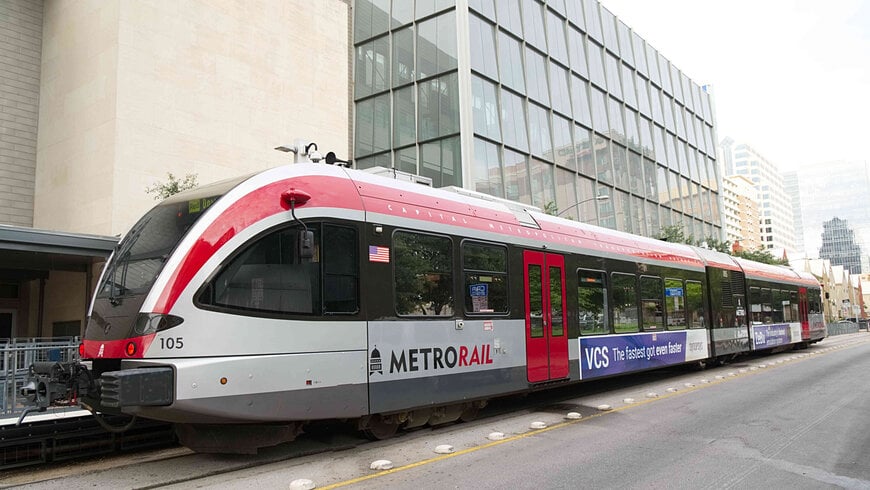
Stadler and CapMetro have entered into a long-term service agreement to support Austin's commuter rail network. Beginning in January 2027, Stadler will provide onsite technical support, engineering expertise, and spare parts management for CapMetro’s fleet of 10 GTW diesel-powered articulated multiple unit vehicles, which have been in operation since the rail service launched in 2010. The contract features a five-year base term running through 2032, alongside two one-year extension options that could prolong the partnership through 2034.
To execute the agreement, Stadler will establish a dedicated local service team of three personnel in Austin. By integrating Original Equipment Manufacturer (OEM) expertise directly into CapMetro's maintenance operations, the partnership aims to proactively address maintenance challenges, reduce vehicle downtime, and manage component obsolescence as the trains age. This agreement represents Stadler's fourth service contract in Texas, further expanding its aftermarket footprint among the state's public transit agencies.
Additional Context
This section provides technological and market background not explicitly detailed in the original release.
In the rail industry, component obsolescence is a critical challenge for aging fleets, particularly regarding electronics and specialized mechanical parts that may no longer be produced years after a train's initial commissioning. OEM service agreements mitigate this risk by providing direct engineering pathways to retrofit, upgrade, or source alternatives for discontinued parts. Stadler's GTW (Gelenktriebwagen) platform, utilized by CapMetro, features a unique articulated design where the propulsion equipment is housed in a central, independent "power module" rather than being distributed under the passenger cars. This modular architecture simplifies maintenance access, significantly reduces interior cabin noise and vibration, and allows for a low-floor design that facilitates rapid passenger boarding on regional commuter networks.
Edited by Lekshman Ramdas, Induportals editor – adapted by AI.
www.stadlerrail.com
