
railway-usa.com
27
'26
Written on Modified on
Siemens Mobility deploys ETCS rail system in Mexico
Siemens Mobility and Sonda México deliver ETCS Level 1, control systems and planning software for the Mexico City–Querétaro–Irapuato corridor.
www.siemens.com
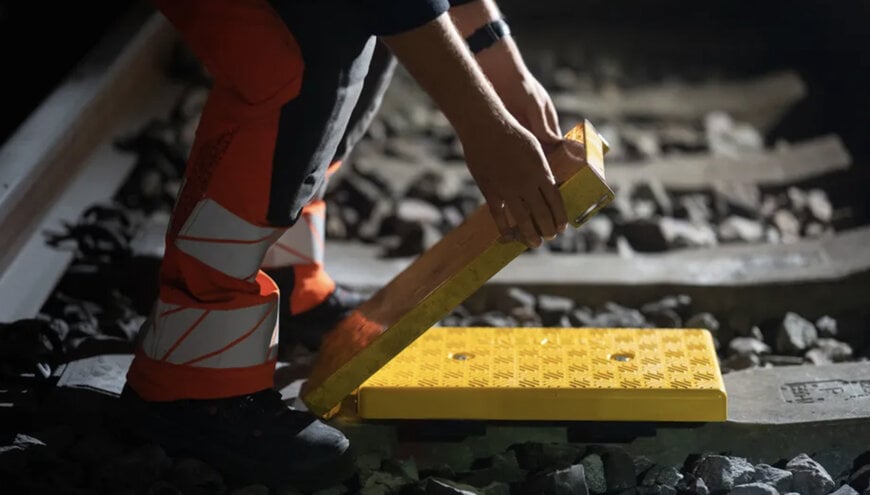
Siemens Mobility, in consortium with Sonda México SA de CV, has been awarded a contract to implement signaling and rail infrastructure technologies for the Mexico City–Querétaro–Irapuato railway corridor. The project, covering more than 300 kilometers and eleven passenger stations, is part of a federal initiative to modernize passenger rail and improve regional connectivity.
Context of the cooperation
Siemens Mobility acts as the technology provider, delivering signaling, control and planning systems, while Sonda México contributes telecommunications infrastructure, CCTV systems and civil works. The cooperation reflects the scale and complexity of the project, which requires integration of multiple subsystems across a large rail corridor.
This contract represents Siemens Mobility’s first deployment of the European Train Control System (ETCS) in Mexico and expands its presence in Latin America’s rail modernization programs.
Technical solution and system architecture
The core of the project is the implementation of ETCS Level 1, a standardized signaling system that continuously supervises train speed and movement authority. By replacing fragmented national systems with a unified standard, ETCS enhances operational safety and interoperability.
Siemens Mobility’s scope includes the design, engineering, supply, installation and commissioning of key systems. These comprise wayside ETCS signaling, an Operational Control Center (OCC) with a backup facility, and Supervisory Control and Data Acquisition (SCADA) systems for real-time monitoring of rail infrastructure.
In addition, the project integrates the TPS.plan software, developed by Siemens Mobility’s subsidiary HaCon. This system enables detailed timetable planning and track allocation through microscopic modeling of infrastructure, supporting conflict-free scheduling and coordinated rail operations.
Implementation and deployment
The solution will be deployed along the full corridor, connecting Mexico City with the states of Hidalgo, Querétaro and Guanajuato. The architecture allows coordinated control of signaling, operations and infrastructure supervision, ensuring system redundancy through backup control facilities.
Sonda México’s role in telecommunications and civil works supports the integration of signaling and control systems into the broader infrastructure environment.
Applications and operational use
The implemented systems enable centralized traffic management, real-time infrastructure monitoring and optimized timetable planning. ETCS Level 1 ensures continuous supervision of train movements, while SCADA systems provide visibility over operational parameters.
TPS.plan supports efficient rail operations by enabling stakeholders to access updated planning data, improving coordination across the network.
Operational impact
The project contributes to increased safety, operational efficiency and capacity along the corridor. By standardizing signaling and integrating digital planning tools, the system supports reliable passenger transport and reduces operational complexity.
As part of Mexico’s rail modernization strategy, the corridor is expected to improve mobility for commuters and strengthen regional economic connectivity.
Strategic relevance
The deployment reinforces Siemens Mobility’s position in Latin America, where it has implemented advanced rail technologies including automated metro systems and digital signaling solutions. The project establishes a foundation for further adoption of standardized control systems and digital rail infrastructure in the region.
Edited by Maria Brueva, Induportals editor – adapted by AI.
www.siemens.com
